Guía para principiantes: cómo usar una olla de cocción lenta

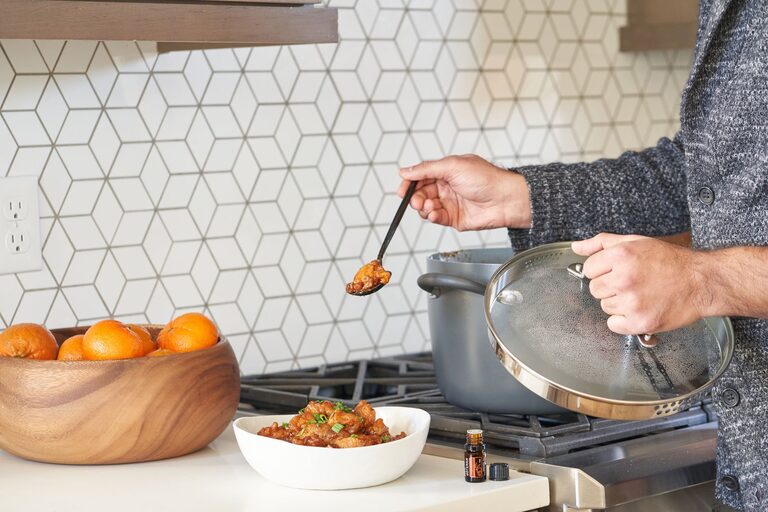
La olla de cocción lenta, también conocida como slow cooker, es un electrodoméstico que ha ganado popularidad en los últimos años por su capacidad para preparar comidas nutritivas y sabrosas con muy poco esfuerzo. Si eres nuevo en su uso, esta guía te ayudará a entender cómo funciona, qué tipos de platos puedes preparar y algunos consejos prácticos para empezar con buen pie.
¿Qué es una olla de cocción lenta?
Una olla de cocción lenta es un aparato eléctrico que cocina los alimentos a baja temperatura durante varias horas. Su punto fuerte es que permite que los ingredientes se cocinen de forma uniforme y lenta, potenciando los sabores y quedando los platos muy tiernos. Además, es perfecta para quienes disponen de poco tiempo durante el día, ya que puedes dejar la comida lista mientras realizas otras actividades.
Ventajas de usar una olla de cocción lenta
– Ahorro de tiempo: Solo tienes que preparar los ingredientes, añadirlos a la olla y programarla.
– Comidas saludables: Cocina con poca grasa y conserva los nutrientes.
– Versatilidad: Puedes hacer guisos, sopas, estofados, arroz, postres y más.
– Ahorro energético: Consume menos electricidad que el horno tradicional.
– Comida lista al llegar a casa: Ideal para personas con horarios ocupados.
Cómo usar una olla de cocción lenta: pasos básicos
1. Preparar los ingredientes
Corta verduras, carnes y otros ingredientes según la receta. No es necesario dorar o sellar la carne antes, aunque hacerlo puede mejorar el sabor.
2. Añadir los ingredientes a la olla
Coloca en la olla los ingredientes en el orden que indica la receta. Generalmente, las verduras duras van primero, luego la carne y finalmente los líquidos.
3. Ajustar la temperatura y el tiempo
La mayoría de las ollas tienen tres ajustes:
– Alta (High): cocina en aproximadamente 4 horas.
– Baja (Low): cocina en unas 6-8 horas.
– Mantener caliente (Keep Warm): mantiene la comida lista para servir sin seguir cocinando.
4. Tapar y dejar cocinar
Cubrir la olla con la tapa para evitar que se escape el vapor y la comida se seque. No es necesario remover frecuentemente; al contrario, abrir la tapa puede alargar el tiempo de cocción.
5. Servir
Al terminar el tiempo de cocción, verifica que la comida esté bien cocida y sirve directamente. La olla también puede mantener la comida caliente durante horas.
Consejos útiles para principiantes
– No llenes la olla en exceso: Lo ideal es que quede entre 2/3 y 3/4 de su capacidad.
– No uses lácteos al inicio: Añádelos en los últimos 30 minutos para evitar que se corten.
– Cuidado con ingredientes delicados: Las hierbas frescas, mariscos o verduras muy tiernas se agregan al final para no deshacerse.
– Utiliza recipientes para cocinar al vapor: Puedes cocinar al vapor o separar ingredientes para mantener texturas.
– Limpieza sencilla: La mayoría de las ollas tienen una cubeta desmontable apta para lavavajillas.
Recetas fáciles para comenzar
Estofado de ternera con verduras
– 500 g de carne de ternera en trozos
– 3 zanahorias peladas y cortadas
– 2 patatas medianas en cubos
– 1 cebolla picada
– 2 dientes de ajo machacados
– 400 ml de caldo de carne
– Sal y pimienta al gusto
Coloca las verduras en la olla, añade la carne encima, vierte el caldo y condimenta. Cocina en temperatura baja durante 7 horas o alta 4 horas.
Pollo al curry lento
– 4 muslos de pollo
– 1 cebolla en rodajas
– 2 tomates picados
– 200 ml de leche de coco
– 2 cucharadas de curry en polvo
– Sal al gusto
Mezcla todos los ingredientes y cocina en temperatura baja durante 6 horas. Sirve con arroz blanco.
Sopa de lentejas
– 250 g de lentejas
– 1 zanahoria en cubos
– 1 cebolla pequeña picada
– 2 hojas de laurel
– 1 litro de agua o caldo de verduras
– Sal y pimienta
Agrega todos los ingredientes a la olla y cocina en baja por 8 horas o alta por 5 horas.
Seguridad y mantenimiento
– Asegúrate de que la olla esté sobre una superficie estable y resistente al calor.
– No mojes la base eléctrica, sólo la cubeta interna.
– Desenchufa el aparato cuando no esté en uso.
– Revisa que la tapa cierre bien para mantener la temperatura.
– Limpia la cubeta y la tapa después de cada uso para evitar olores.
Conclusión
Usar una olla de cocción lenta es una manera práctica de preparar comidas caseras saludables y sabrosas sin complicarte la vida. Con estos consejos y unas cuantas recetas fáciles, pronto te sentirás cómodo explorando la variedad de platos que puedes crear con este útil electrodoméstico. Prueba, experimenta y disfruta de la comodidad y el sabor que ofrece la olla de cocción lenta. ¡Buen provecho!